
Effective tracheostomy care at home focuses on maintaining a clear airway through regular suctioning, stoma site cleaning, and proper tube management. Caregivers must be equipped with essential emergency supplies and trained to recognize signs of respiratory distress to ensure the safety of NDIS participants. Following a consistent routine and a professional care plan helps prevent infections and other serious health complications.
Transitioning from a clinical environment to home based tracheostomy care often brings a heavy sense of responsibility that can feel overwhelming for NDIS participants and their support networks. The constant vigilance required to maintain a clear airway and prevent infections is a significant emotional and physical undertaking. Mastery of this process is not just about daily maintenance; it is about building the confidence to act decisively when every second counts. In this guide, we provide an expert breakdown of safe home management within the NDIS framework. You will learn how to assemble a high functioning emergency go bag, master effective suctioning techniques, and recognize the subtle red flags that signal a need for clinical intervention. We also detail the SALUS pathway and provide clear criteria for when to escalate care to emergency services.
Understanding Tracheostomy Care at Home within the NDIS Framework

Tracheostomy care at home involves the routine and emergency management of a surgical opening in the neck to ensure a patent airway. For Australians navigating the NDIS, these services are classified under High Intensity Daily Personal Activities. This classification reflects the complexity and risk associated with airway management, requiring a higher level of competency than standard personal care.
Adherence to the NDIS Practice Standards and the High Intensity Support Skills Descriptor is mandatory for safety and compliance. These frameworks dictate that any worker providing support must have specific training and be assessed as competent by a qualified health practitioner. At Build Your Community (BYC), we function as a managed healthcare brokerage to ensure these standards are not just met, but exceeded.
Our approach in Norwest and Greater Sydney differentiates itself through rigorous clinical oversight. While support workers perform the daily tasks of suctioning and stoma hygiene, the SALUS clinical care pathway ensures that a Registered Nurse (RN) maintains active management of the engagement. This oversight is vital for identifying subtle clinical changes before they become emergencies. Contact our Norwest team to learn more about how we integrate clinical expertise with daily support to provide a safer environment for NDIS participants.
The Essential Emergency Go Bag for Tracheostomy Management
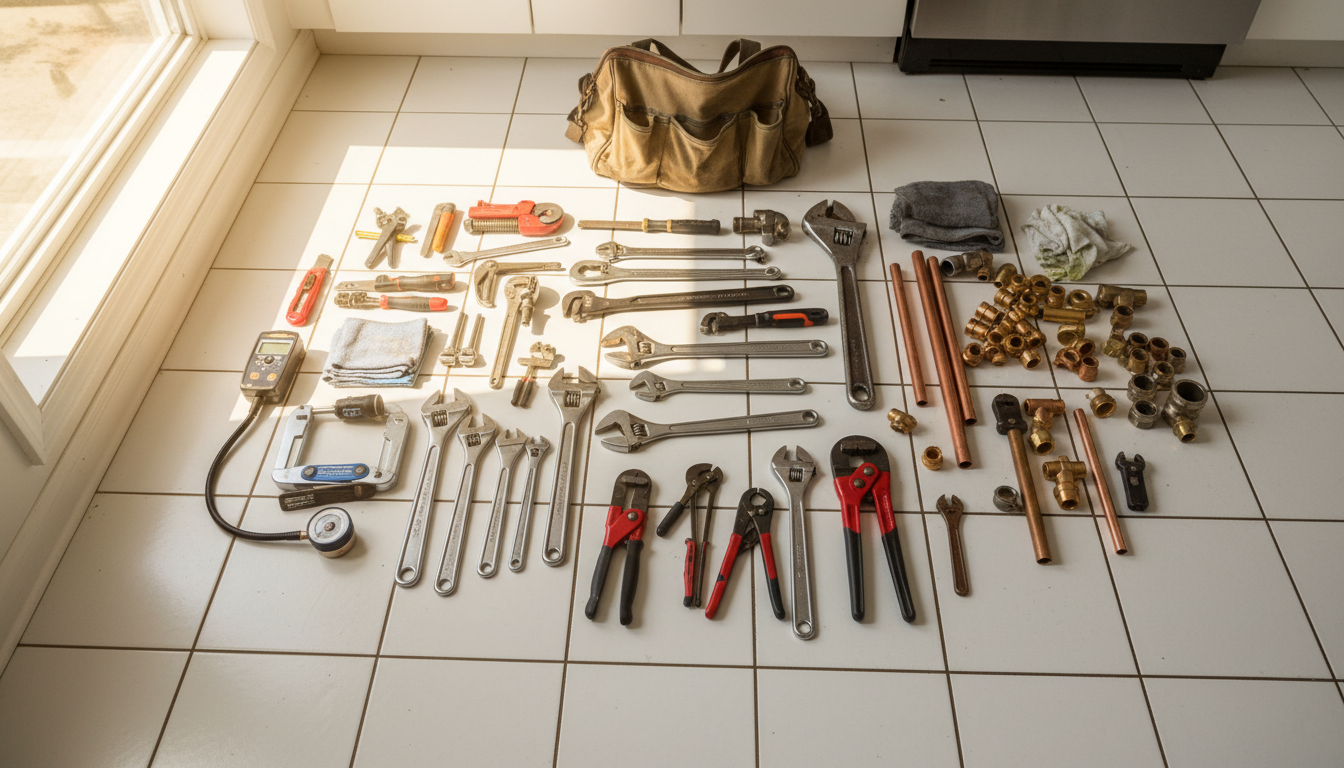
Safety in tracheostomy care at home is predicated on immediate readiness. An emergency go bag is not a luxury; it is a critical life safety tool that must accompany the participant at all times, including during transport, social outings, or even moving between rooms in a large residence. This bag ensures that if an accidental decannulation or blockage occurs, the necessary tools are within arm's reach to restore a patent airway.
A standard emergency kit managed under the SALUS clinical care pathway should include: - Two spare tracheostomy tubes: one of the current size and one that is one size smaller. - A portable suction machine with a fully charged battery and spare canisters. - Multiple sterile suction catheters in the appropriate size. - A manual resuscitator bag (BVM) with the correct mask or adapter. - Saline ampoules for thinning thick secretions or rinsing catheters. - Spare tracheostomy ties or velcro holders. - A stoma dilator to hold the airway open during difficult reinsertions. - Water-soluble lubricating jelly for emergency tube changes.
The inclusion of a tube one size smaller is a vital safety measure. If a tracheostomy tube is out for even a short period, the stoma can begin to constrict or close due to muscle spasms or inflammation. In such cases, the original tube may no longer fit. Having a smaller diameter tube allows a support worker or clinician to secure the airway quickly while waiting for further medical intervention. As a managed healthcare brokerage, BYC ensures that your clinical team regularly audits these kits to confirm all items are sterile and within their expiry dates. Contact our Norwest team to discuss how we coordinate these safety protocols.
Suctioning Techniques and Airway Clearance Strategies
Maintaining a clear airway requires more than just possessing the right equipment; it demands a clinical understanding of when and how to intervene. While it might seem intuitive to perform suctioning on a strict schedule, effective tracheostomy care at home relies on responding to specific clinical indicators. Over-suctioning can irritate the tracheal lining and increase mucus production, creating a counterproductive cycle. Instead, support workers and family members should monitor for audible gurgling or rattling sounds, an increased respiratory rate, visible secretions at the stoma, or signs of respiratory distress such as restlessness and agitation.
The specific technique used must always align with the Clinical Care Plan developed by a Registered Nurse (RN) through the SALUS clinical care pathway. Generally, clinicians differentiate between two primary methods:
Shallow Suctioning: The catheter is inserted only to the length of the tracheostomy tube. This is the preferred method for routine clearance as it minimizes trauma to the tracheal tissues.
Deep Suctioning: The catheter is inserted further until resistance is felt or a cough is triggered. This method carries higher risks and is typically reserved for instances where secretions are deeply lodged and obstructing the lower airway, as specified by a clinician.
Airway clearance is also heavily dependent on proper humidification. Because a tracheostomy bypasses the nose and mouth, the air entering the lungs is not naturally warmed or moistened. Without active humidification or the use of Heat and Moisture Exchangers (HMEs), secretions can become thick and tenacious, leading to dangerous mucus plugs that block the airway.
As a managed healthcare brokerage, BYC ensures that every participant has a customized protocol that dictates suctioning depth, pressure settings, and humidification requirements. This clinical rigor is essential for preventing complications before they arise. Contact our Norwest team to discuss how our clinical oversight model supports safe airway management in the home environment.
Recognizing Red Flags: When to Call for Clinical Support
Effective tracheostomy care at home requires a keen eye for subtle clinical shifts. While the daily routine focuses on maintaining a clear airway, identifying red flags early can prevent a minor complication from escalating into a hospital admission. These indicators suggest that the participant’s baseline is changing and requires a professional review through the SALUS clinical care pathway.
Key red flags that necessitate clinical intervention include:
Changes in Secretions: A shift in color to yellow, green, or tan; a sudden increase in thickness; or the presence of a foul odor.
Increased Suctioning Frequency: If a participant requires suctioning significantly more often than their established baseline to maintain comfort or oxygenation.
Stoma Site Integrity: Redness, swelling, or minor skin breakdown around the opening, which may indicate localized infection or pressure from ill-fitting ties.
Subtle Physiological Changes: A persistent low-grade fever, increased fatigue, or increased irritability during routine care tasks.
When these signs appear, it is essential to reach out to your clinical lead rather than waiting for the next scheduled review. As a managed healthcare brokerage, BYC facilitates direct communication between the support team and clinical experts to adjust care plans in real-time. Identifying these issues early ensures safety without the need for emergency services. Contact our Norwest team if you notice any deviations from the participant's standard clinical profile.
Emergency Scenarios: Knowing When to Dial 000

While red flags allow for a managed response through the SALUS clinical care pathway, certain scenarios demand immediate emergency intervention. In the context of tracheostomy care at home, time is the most critical factor when the airway is compromised. Support workers and family members must be prepared to identify a life-threatening crisis and act without hesitation.
The following scenarios constitute a medical emergency requiring an immediate 000 call: - Total Tube Blockage: A mucus plug that cannot be cleared by suctioning or saline instillation, leading to an inability to ventilate the participant. - Accidental Decannulation: The tracheostomy tube is dislodged from the stoma. If the airway cannot be re-established immediately, this is a critical failure. - Respiratory Distress or Arrest: Signs include gasping, the use of accessory muscles in the neck and chest, or a complete cessation of breathing. - Severe Stoma Bleeding: More than minor spotting, specifically bright red blood pulsating or flowing steadily from the stoma or the tube itself.
In these moments, the priority is to maintain a patent airway while help is en route. Stay calm to execute the clinical plan accurately. Attempt to clear the obstruction or use the manual resuscitator (BVM) to provide oxygen. If the tube is out, use the smaller backup tube from the emergency go bag to maintain the stoma opening. The stoma can constrict rapidly, so using the smaller diameter tube is a vital temporary measure to ensure oxygen delivery continues until paramedics arrive.
As a managed healthcare brokerage, BYC ensures that every engagement is supported by staff who have been assessed for competency in these life-saving maneuvers according to the NDIS High Intensity Support Skills Descriptor. Contact our Norwest team to discuss how our clinical management model integrates emergency readiness into daily care.
The Role of the SALUS Pathway in Managed Tracheostomy Care
Navigating the complexities of tracheostomy care at home requires a robust framework that extends beyond standard disability support. The SALUS clinical care pathway acts as the operational foundation for Build Your Community, designed to mitigate the inherent risks of high-intensity airway management. As a managed healthcare brokerage, we do not simply provide staff; we engineer a comprehensive clinical environment by connecting participants with a network of vetted clinical professionals across Greater Sydney and NSW.
This model ensures that every individual involved in a participant’s care is assessed specifically against the NDIS High Intensity Support Skills Descriptor. Our clinical leads verify that support workers possess the practical skills for suctioning and emergency tube changes before they ever step into a home environment. This verification process is a mandatory prerequisite, ensuring that the emergency protocols mentioned previously are executed with precision when needed.
Active management differentiates BYC from generic agencies. We maintain a continuous feedback loop between the participant, their family, and their clinical team. This oversight includes regular reviews of the tracheostomy care plan and proactive audits of clinical documentation to identify physiological trends before they escalate. Contact our Norwest team to learn how this managed approach provides a higher level of safety and accountability for complex home-based care.
Common Questions about Living with a Tracheostomy at Home
Daily life with a tracheostomy requires adapting routine habits to ensure safety. A common concern for NDIS participants involves personal hygiene. You can shower safely by using a specialized stoma cover or shower shield, which prevents water from entering the airway. It is crucial to never submerge the stoma in a bath or pool, as this poses a direct drowning risk.
Routine site maintenance is equally vital. The skin around the stoma should be cleaned at least once daily using sterile saline and gauze, or more frequently if secretions are heavy. During this process, always inspect the skin for redness or breakdown. Any changes in skin integrity should be reported to your clinical lead immediately.
Reliable equipment is the backbone of safe tracheostomy care at home. If your primary suction machine loses power, you must immediately switch to your portable, battery-operated backup unit. As part of the SALUS clinical care pathway, we ensure participants have a documented power failure plan, which includes regular battery health checks and access to a manual suction bulb for extreme emergencies. If you have concerns about equipment reliability, Contact our Norwest team to review your home setup through our managed healthcare brokerage model.