

NDIS enteral feeding support at home provides participants with necessary funding for feeding equipment, consumables, and specialized nursing care to manage PEG or gastrostomy tubes safely after hospital discharge. This support covers routine tube changes and troubleshooting while ensuring that a coordinated discharge plan is in place for a smooth transition to independent living.
The transition from a sterile hospital ward to the home environment with a new feeding tube can feel like a daunting leap into the unknown. For NDIS participants and their families, the shift from 24/7 clinical oversight to self managed enteral care often introduces significant anxiety regarding safety, equipment failure, and funding compliance. Bridging this gap is essential for long term health outcomes; it requires a strategic approach that integrates medical necessity with the practicalities of community living. In this guide, we provide a roadmap for navigating the hospital to home journey. You will learn how to secure appropriate NDIS funding, utilize a comprehensive discharge checklist, and distinguish the critical roles between registered nurses and support workers. We also address common home challenges like stoma care and blockages, while introducing the SALUS pathway as a model for expert healthcare brokerage that ensures your transition is both safe and sustainable.
Navigating the Shift from Clinical Ward to Community Living

Transitioning from a high-acuity environment like Norwest Private or Blacktown Hospital to the domestic setting marks a pivotal shift in a participant's healthcare journey. While the clinical team provides essential stabilization, the move home introduces a new layer of complexity, managing a Percutaneous Endoscopic Gastrostomy (PEG), Percutaneous Endoscopic Jejunostomy (PEJ), or Nasogastric (NG) tube without an immediate bedside call button. This shift is often where the "transition gap" occurs, a vulnerable period where hospital support ceases and NDIS community care must rapidly scale up.
True NDIS enteral feeding support at home extends far beyond the delivery of pumps and formulas. It represents a comprehensive clinical framework designed to prevent complications such as tube displacement, blockages, or stoma site infections. Research highlights that caregiver mastery and confidence are the primary predictors of successful home management; without structured clinical oversight, the transition often leads to anxiety and avoidable hospital readmissions.
Effective support requires a coordinated approach to complex care services. This involves more than just equipment training, it necessitates the translation of a hospital-based feeding regime into a sustainable daily routine. At Build Your Community, we recognize that the end of hospital-based nursing is not the end of clinical need. Through the SALUS clinical care pathway, we ensure that the technical aspects of enteral feeding, such as rate management and water flushes, are integrated into the home environment with professional supervision. If you are preparing for a discharge, you can contact our Norwest team to discuss how to secure the necessary clinical oversight before you leave the ward.
Understanding NDIS Funding for Enteral Feeding Support at Home
Securing adequate NDIS enteral feeding support at home requires a strategic approach to plan architecture. The NDIS categorizes the costs associated with tube feeding into distinct streams, primarily Core Supports and Capacity Building. Understanding the interplay between these categories is essential for maintaining clinical safety after leaving the ward.
Consumables constitute the most visible portion of funding. This includes the specialized feed, giving sets, syringes, and connectors required for daily operation. Most participants operate on a 12 month funding cycle for these products. It is critical to ensure that the initial plan reflects the specific volume of consumables dictated by the clinical regime, as underestimation can lead to out of pocket expenses for life sustaining supplies. Formula is generally funded when it serves as a participant’s primary source of nutrition, but the plan must explicitly account for the delivery and waste management associated with these items.
Beyond the hardware, the NDIS recognizes enteral feeding as a High Intensity Daily Personal Activity. This classification triggers the need for specific funding within the Core budget to cover the hours required for a support worker to administer or monitor the feed. However, this delivery must be underpinned by Capacity Building funding. This specific allocation pays for a Registered Nurse to perform a comprehensive nursing assessment, develop a written management plan, and verify the competency of the support team. Without this clinical oversight, the use of Core funding for support workers may be considered non compliant with Quality and Safeguards standards.
For participants in the Norwest and Bella Vista regions, the timing of these allocations is as important as the amount. A managed brokerage like BYC works to ensure these funds are correctly coded and available before the hospital discharge date. This proactive management prevents the common funding lag where a participant returns home only to find their plan lacks the necessary clinical oversight to operate the tube safely. By aligning complex care services with the participant's specific clinical profile, we ensure that the transition is financially and operationally sound from day one.
The Essential NDIS Hospital Discharge Checklist for Enteral Feeding
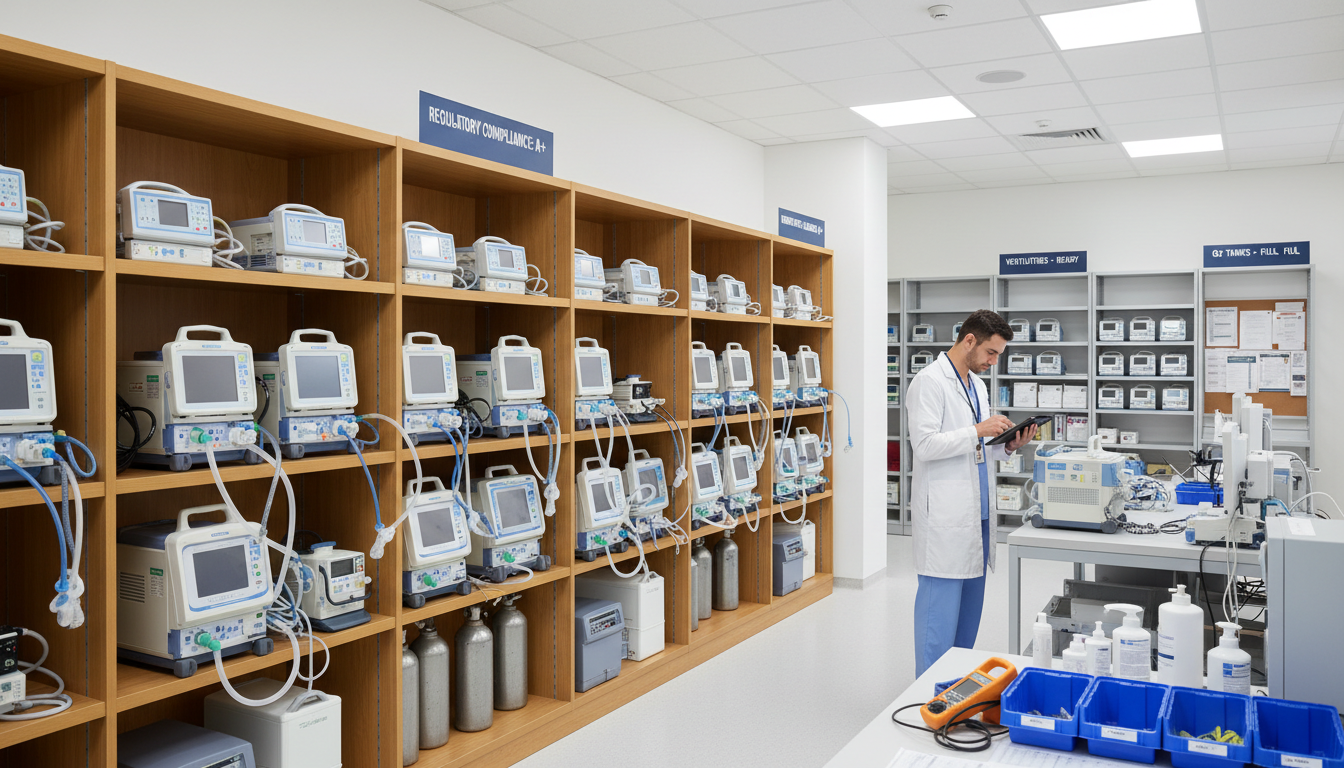
Transitioning from a hospital ward to the home requires more than just a signed discharge summary. To bridge the gap between acute care and community living, support coordinators and families must secure a specific set of clinical deliverables before the participant leaves the facility. This proactive approach ensures that the complex care services initiated in the home are safe, compliant, and sustainable.
A gold standard discharge for a participant requiring NDIS enteral feeding support at home should be verified against the following checklist to prevent avoidable readmissions and clinical errors:
Discharge Requirement | Clinical Specification | Responsibility |
|---|---|---|
Signed Competencies | Verification of the home care team’s ability to operate the specific pump model, prime lines, and perform stoma care. | Hospital RN or Community RN |
7-Day Supply Pack | A physical handover of at least seven days of formula, giving sets, and syringes to cover the initial delivery lead time. | Hospital Pharmacy/Nutrition Dept |
Formal Feeding Regime | A written plan detailing the feeding rate (mL/hr), water flush volumes, and specific medication administration protocols. | Dietitian or Gastroenterologist |
Escalation Pathway | Documented emergency contact details for a community nursing provider and a clear protocol for tube displacement. | Discharge Planner/BYC Nurse |
One of the most frequent points of failure in the transition process is the exhaustion of supplies before the first NDIS funded delivery arrives. Hospitals generally provide a small amount of stock; however, securing a full seven day supply is essential to account for potential logistical delays in the NDIS supply chain. Furthermore, the feeding regime must be translated into a practical daily schedule. This includes precise instructions on how medications should be crushed or liquidized for the tube, as incorrect administration is a primary cause of tube blockages.
At Build Your Community, we integrate these requirements into the SALUS clinical care pathway to ensure that clinical governance is established before the participant reaches their front door. Our model focuses on the verification of competencies, ensuring that every support worker involved has been assessed by a Registered Nurse. This clinical oversight is not a luxury; it is a requirement for high intensity supports under Australian quality frameworks. If you are managing a discharge from a local facility in the Bella Vista area, you can contact our Norwest team to coordinate these clinical handovers and ensure the home environment is fully prepared.
Managing the Clinical Boundary: Registered Nurses vs Support Workers
Establishing a robust care team requires a clear understanding of the clinical boundaries defined by the NDIS Quality and Safeguards Commission. A common question for families in the Norwest region is whether a support worker is permitted to manage PEG or PEJ feeding. The answer is yes, provided that the engagement is underpinned by professional nursing oversight.
The Australian framework stipulates that NDIS enteral feeding support at home must be directed by a Registered Nurse (RN). The RN is responsible for the initial clinical assessment, the development of a comprehensive management plan, and the formal sign-off on the competency of each support worker. This sign-off is not a generic induction; it is a specific verification that the worker understands the participant's unique regime, pump operations, and emergency protocols.
At Build Your Community, we differentiate between passive training and active management. A core tenet of our complex care services is that the RN’s role is ongoing. Under the SALUS clinical care pathway, the RN provides continuous clinical governance, ensuring the support team remains proficient as the participant’s needs change. This managed healthcare brokerage approach ensures that the clinical boundary is never compromised.
Rather than a one-off training session, our model involves regular reviews and open communication between the clinical professional and the support team. This level of oversight is essential for participants in Bella Vista who require more than just a pair of hands; they require a clinically safe environment managed by experts who understand the nuances of high intensity supports. By maintaining this professional boundary, we reduce the risk of clinical errors and ensure that every person involved in the participant's daily routine is operating within their verified scope of practice.
Common Home Challenges: Blockages, Stoma Care, and Troubleshooting
Living at home requires a shift from clinical observation to active troubleshooting. Blockages are a frequent challenge, often caused by inadequate flushing or incorrectly prepared medications. If a blockage occurs, the first step involves using a syringe with warm water and a gentle push-pull motion. Avoid using acidic liquids like soda or juice, as these can curdle the protein in the formula and worsen the clog.
Effective stoma care is the first line of defense against infection. The site should be cleaned daily with mild soap and water, ensuring it is kept dry to prevent excoriation. For PEG tubes, the rotate technique, which involves turning the tube 360 degrees daily, is essential to prevent the internal bumper from becoming embedded in the stomach wall.
Issue | Management Type | Action Requirement |
|---|---|---|
Minor Blockage | Manageable | Flush with warm water as per HEN plan. |
Granulation Tissue | Clinical Review | Contact RN for assessment and treatment. |
Tube Displacement | Emergency | Cover site, seek immediate hospital care. |
Stoma Redness/Pus | Clinical Review | Swab for infection; update clinical team. |
A documented Home Enteral Nutrition (HEN) plan acts as the definitive manual for these scenarios. While daily maintenance is handled by the home team, a displacement is always a clinical emergency requiring immediate attention at an acute facility. Through the SALUS clinical care pathway, our Registered Nurses ensure these protocols are practiced by every support worker providing NDIS enteral feeding support at home. If you encounter persistent stoma issues or require a review of your complex care services, you can contact our Norwest team for expert guidance.
The SALUS Pathway: Why Managed Healthcare Brokerage Matters for Transition

Managing the complexities of NDIS enteral feeding support at home requires a robust bridge between acute hospital protocols and the daily reality of community living. This is the primary function of the SALUS clinical care pathway. Unlike a standard referral, this pathway transforms the move from hospital to home into a managed engagement where clinical accountability is maintained from the ward to the living room. By operating as a managed healthcare brokerage in Norwest, we take active responsibility for the quality of every interaction rather than simply facilitating a handoff of tasks.
Being physically based in the Bella Vista area allows our team to leverage deep knowledge of the NSW health system and local facilities like Norwest Private. We understand the specific discharge barriers unique to this region and can rapidly deploy trusted clinical professionals to meet immediate needs. Our model ensures that complex care services are delivered by a team specifically vetted for their enteral expertise. If you are currently navigating a transition, you can contact our Norwest team to ensure your home care environment is built on professional oversight rather than clinical guesswork.
Transitioning from hospital to home with enteral feeding is a significant milestone that requires careful planning and dedicated NDIS support. While managing new routines can feel complex, having a structured plan ensures safety and confidence in your care. If you want expert help navigating these transitions or maximizing your NDIS funding, our team is ready to assist. You can learn more about Build Your Community to see how we provide the professional guidance needed to make your home life as comfortable and supported as possible.


